December 14, 2019

November 10, 2019
New Engine Arrives In Folsom
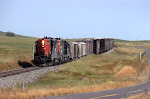
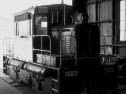
This newly acquired engine will make it possible to run longer trains now on the Placerville Branch. After all these years it is great to see the railroad coming together and running strong. Come out and join the fun!


May 07, 2017
WHAT ITS LIKE RIDING THE RAILS THROUGH FOLSOM TODAY
September 20, 2014
5TH ANNUAL FOLSOM RAILFEST 2015
The weekend of September 27th and 28th will mark the return of the Folsom Railfest. Among the many attractions this year will be the Howard Terminal #8 pulling a passenger car and a Southern Pacific caboose. Plenty of vintage rail equipment to see along with model railroads and activities for children of all ages. This year is the 150 year anniversary of the Placerville And Sacramento Valley Railroad.
September 16, 2013
4TH ANNUAL FOLSOM RAILFEST SEPT 21-22, 2013
Mark your calendar and come on out to the 4TH annual Folsom Railfest this weekend Sept 21-22. There will be fun for the whole family! All proceeds to benefit the restoration of the Placerville And Sacramento Valley Railroad. For a full list of activities and excursions please visit LINK TO PSVRR.ORG RAILFEST SCHEDULE
White Rock Road railroad crossing gets reactivated by Folsom's Placerville & Sacramento Valley Railroad
Placerville and Sacramento Valley Railroad (P&SVRR) announced effective at one minute past midnight on Tuesday, Sept. 10, the White Rock Road railroad grade crossing in Sacramento County will change status from out of service to in service. Crossing gates are currently being installed.
Motorists, motorcyclists and bicyclists should approach the crossing with caution, heed warning lights, bells and gate arms and expect a train at any time regardless of schedule, according to railroad officials. Motorcyclists and bicyclists are reminded to safely traverse a railroad crossing by always crossing the tracks at a 90-degree angle to the rails.
California vehicle code requires all vehicles carrying hazardous materials and busses, occupied or otherwise, to stop at all in service railroad grade crossings.
For more information, call (916) 218 - 5984 or visit www.psvrr.org/WhiteRockRdGradeCrossing
Locomotive excursion trains to launch this month in Folsom
(FROM THE SACRAMENTO BEE)
Published: Monday, Sep. 16, 2013 - 12:00 am
Last Modified: Monday, Sep. 16, 2013 - 6:31 am
For more than a decade, Sacramento and other American cities have been ripping out unused railroad tracks and turning old rail corridors into bike and recreation trails. In Folsom, a group of train enthusiasts is bucking that trend by bringing a slice of the region’s rail past back to life.
Their nonprofit organization has won approval from officials in Folsom and Sacramento County to launch a weekend excursion train, pulled by a 44-ton diesel locomotive, through the east county hills on a section of the historic Placerville & Sacramento Valley Railroad – billed as the oldest rail line west of the Rockies. The trains will take off from a spot near Highway 50 and Iron Point Road and trundle 3.5 miles to the south through open fields along the Sacramento and El Dorado county line before heading back. The rides will include commentary.
“We are doing this so generations to come can have a connection to those who came before them,” said Eric Olds, who will serve as a conductor and tour guide for the excursion rides. “It’s experiencing what people did 150 year ago. You get to see it, hear it, smell it and feel it.”
The Sacramento Valley Railroad ran between Old Sacramento and Folsom starting in 1856. It later combined with the Folsom and Placerville Railroad to become the Placerville & Sacramento Valley Railroad, eventually reaching Placerville in 1888. It contended briefly as a possible route for the Transcontinental Railroad, but lost in an 1864 trial race to Virginia Cityagainst a train using the rival line built by Sacramento’s “Big Four” Central Pacific owners.
The excursion program, promoted as a rolling museum, has support from Folsom city officials as well as those in Sacramento County, but turf wars in El Dorado County and some train safety worries in Folsom are keeping the train on a short stretch of track for now.
The old rail line’s tracks still wind for several miles through the city of Folsom, branching from Sacramento Regional Transit’s light-rail line. But Folsom city officials are limiting the excursion train start point to the southeast edge of town, near the Hampton Inn and Suites, to avoid running trains across major city streets. The Placerville & Sacramento Valley Railroad group has been offering limited excursions in recent years on a small, self-propelled Skagit train car. It has done some recent practice runs with a 1943 diesel locomotive donated by the California State Railroad Museum, and plans to start using it regularly this spring.
“We see the historical, education and recreation value of the excursion train,” Folsom city transportation manager Mark Rackovan said. “We have worked with their organization to define an area where we would like them to operate, where it minimizes the impact to our community.”
Train buffs say they would like to extend the excursion ride into the picturesque hills around Latrobe, and possibly toShingle Springs, where the trains could link with an existing excursion line there. But that idea has met resistance.
El Dorado County officials denied the group’s request a few years ago for regular weekend rides to Latrobe, although the county board recently agreed to allow one train a month into Latrobe for the remainder of this year, in conjunction with the town’s monthly pancake breakfast.
The portion of the old rail corridor in El Dorado County, which runs to Missouri Flat, has long been the center of a fight among various recreation groups that would like to use it, including bicyclists, equestrians, hikers and train enthusiasts. The track is controlled by a joint powers authority made up of Folsom, Sacramento County, El Dorado County and Regional Transit. El Dorado County requested a few years ago that a section of the rail line be taken out to make room for a Class 1 bike path, but the JPA rejected that request. The joint powers authority now plans to build a wilderness trail in the portion of the corridor between Iron Point Road and Latrobe, where it’s wide enough to hold both the path and the train tracks.
El Dorado County parks manager Vickie Sanders said she will brief the Board of Supervisors next month on a new proposal that she hopes will refocus the county’s efforts to determine a future for the corridor all the way up to Missouri Flat, as well as allow some recreational use for now. She said her proposal will steer clear of recommending any specific use over another.
“I feel like I have to move this forward in a positive manner,” Sanders said. “We have to back up and (get) the corridor open. This is a great recreational opportunity.”
While El Dorado officials prepare to consider the rail corridor question, Folsom’s train buffs have been doing practice runs this summer on the Sacramento County side of the line. The group will offer rides on the Skagit at a RailFest this weekend, Sept. 21 and 22. The rides will depart from 155 Placerville Road, just across the street from the Hampton Inn.
At city and state request, the train group is spending about $15,000, raised through donations, to add crossing guard arms where the tracks cross White Rock Road. That road is the busiest crossing for the excursion train and eventually will be widened to four lanes. Officials in Folsom and the county say the expansion would likely necessitate an overpass at some point, which could be designed to allow numerous non-car uses, including trains, express buses, bikes and pedestrians.
Cities nationally have been pulling up old tracks as part of a Rails to Trails effort to turn unused corridors into recreational parkways. In Sacramento, for instance, a section of the former Sacramento Northern Railway has been turned into a bike and recreation trail.
Still, Sacramento remains a railroad town, and the Folsom line is not the only one in the region that could carry trains again. State officials have discussed extending the tourist train that steams along the waterfront in Old Sacramento south of its current terminus near Miller Park. One proposal is to extend the excursion to theSacramento Zoo. State officials also have talked of adding a brunch or dinner train on that line in the Freeport and Hood area.
“There is a strong interest in rail preservation” in the Sacramento area, said Sacramento Country transportation planner Dan Shoeman. Speaking about the south of Folsom plan, he said, “We see it as something worth expanding. Excursion trains can be operated safely.”
Call The Bee's Tony Bizjak, (916) 321-1059.
May 12, 2013
Track Crew Working Between Sibley and Glenn Street Last Weekend
The track gang was out on the Placerville Branch replacing ties again. They are preparing for heavy equipment runs this summer. The back hoe is making the process a lot faster and easier. Keep an eye on the PSVRR.ORG site for runs this summer including the Howard Terminal engine and the new open-air coach built by the PSVRR volunteers. It is going to be fantastic to have trains running on this line again!


Show Your Support!
Restore the Latrobe Breakfast Special!
In July of 2011, the
non-profit organization Placerville & Sacramento Valley Railroad
(P&SVRR) brought passenger rail service to the El Dorado County town of
Latrobe for the first time since 1958!
These excursions allowed P&SVRR to offer a variety of rides to the
public, the most popular of which was the “Latrobe Breakfast Special”. This unique train ride supported the
monthly pancake breakfast fundraiser held the last Sunday of each month at the
Latrobe Community Hall.
In May of 2012 the Right of
Entry that allowed P&SVRR to conduct these excursions was suspended by El
Dorado County, under pressure from a group of trails advocates.
The current Board of
Supervisors, however, has indicated support for a Rails WITH Trails strategy
for the entire rail corridor, consistent with the Parks and Recreation
Commission's 2012 recommendation to the Board. To that end, P&SVRR has been asked to bring a presentation
regarding the reinstatement of the “Latrobe Breakfast Special” to the following
committees for their review and recommendations:
Trails Advisory Committee – May 13th, 3:00
pm
SPTC Oversight Committee – May 13th, 6:00
pm
Parks and Recreation Commission – May 16th,
10:00 am
(for meeting locations
go to eldorado.legistar.com/calendar.aspx)
The volunteers of the
P&SVRR strongly encourage the public to attend these meetings, providing
input from the community, as the Board of Supervisors will be making a decision
on this issue in the very near future.
FOR MORE INFORMATION CALL – 916-708-7368
www.psvrr.org/edcboscontact.html
April 25, 2013
April 20, 2013
FROM THE MOUNTAIN DEMOCRAT
Placerville and Sacramento Valley Railroad
By Letters to the Editor From page A5 | 18
As the grandson of two railroad men, I was raised with a love of the rails that has remained with me long after their respective passings. The story of our railroads is inextricably intertwined with the colorful history of this beautiful area in which we make our homes. These days, I enjoy passing on to my own grandchildren the stories of their great-great grandfathers and the majestic, marvelous machines they created and maintained — which built our modern country — by taking them to railroad museums and on excursion rides. I have watched with great interest the debate over what will become of the former line from Folsom to Placerville. I appreciate the newly completed walking trail from Missouri Flat Road to Forni Road and use it often with my family since it passes directly west of our home. It is a wonderful addition to the county, but I wonder why it could not have been built alongside an upgraded rail bed that could have been used for excursion trains, as well, as is now done in Folsom. With the Folsom, El Dorado and Sacramento Historical Railroad Association — FEDSHRA — already in place and the city of Folsom and County of Sacramento on agreement on the use, it seems a sad waste of a precious, historical resource to tear up the track and convert the section of line from White Rock to Shingle Springs into simply a walking trail alone. As a young man I watched with great sadness the incredible shortsightedness of the City of Sacramento, as they refused the generous offer from the Safeway corporation (which owned the rights) to sell the City the historic and beautiful Alhambra theater. After the City’s unbelievable rejection, Safeway tore the structure down and built their existing market at Alhambra and J, leaving only a “wailing wall” to mark what had been a cultural icon for the city and which could have become, with public and private community involvement, a renewed cultural gem … perhaps a home for the symphony and ballet, to name only two possibilities. If civic leaders considered merely allowing the demolition of such an historic landmark today, they would be taken out and shot, for once historical treasures are gone, they are gone forever. I urge all to support a plan whereby the interests of all concerned parties may be met. There is no reason why a recreational, excursion rail line and a pedestrian trail cannot coexist and thereby enable the subject land to achieve its highest and best public use.
STEVEN C. SEITHER Placerville
Letters to the EditorView all my stories Email Me LEAVE A COMMENT Discussion | 18 comments The Mountain Democrat does not necessarily condone the comments here, nor does it review every post. Read our full policy 1036-
Frank March 11, 2013 - 7:33 pm There is a majority of residents who support the use and preservation of the rails as has been stated many times before by many people now a rail line is decaying and dormant after many volunteer hours were spent maintaining it. There were three stooges n the BOS who opposed the use of the rails from Folsom into the county, two of them are gone, thankfully. it appears corruption and developer interests are behind it. There really is no other explanation. "Corruption County" is well deserved and the fight to change it and hold those responsible goes forward and will continue.
Judith Mathat March 11, 2013 - 8:30 pm Below Stephen is the real reason the county and this publication are not revealing why the tracks are being targeted for removal. Two years ago I pulled the available information as to who owned the properties adjacent to the tracks from the county line through Shingle Springs, I also checked on the donations from the 460's two years of(campaign records) of the two supervisors that were most likely to have standing with those owners in their districts, mostly District II, it was not surprising to me who donated the most to whom. Next I listened to the proponents of the rails and the class one bike trails and found out the proponent of the bike trail was also an investment counselor with Wells Fargo Bank so who do you think was chasing who's tail. He also was put on the county committee to "see if we can all get along" and work together, thank goodness I heard he was removed, now his supporters are out there trying to scare the citizenry in El Dorado Hills about having a train in their backyards and the real need for those same people to understand what will happen if those track's are [pulled is exactly THIS::: The density bonus' for donating open space does not include rail lines for the public good. It would allow for the developer of those projects to put in not just 1 unit per planned community project unit but 1.5 units!! Now you know what MONDEY POWER AND GREED does to the formula and for those in El Dorado Hills who are not aware, you will get 1 1/2 houses per unit instead of just one and you will suffer the traffic and congestion and over building due to the fact that they are telling you you do not want a smelly noisy and old tourist excursion train running through your development. (Yes the property owners who own a lot next to a rail bed will not be as valuable as one next to a bike trail, until they realize they will have lots of public traversing their properties (Check American River Bike Trail and crime)and those who are going by on a little train a couple of times a week who never get off the train would ever do. All should have what they want, trails, rails and equestrians and hikers and bikers. Only the elitist who do not want to pay their way are for taking away the rights of the whole for their benefit. Read the density bonus' part of the General Plan for EDC and you will find the truth. Truth by the developers and their henchmen would be gracious for those who are not so empowered by the thought of dollars and those who are empowered by leaving a legacy of best use for the community! Leaving the history of the oldest rail bed in the state to our progeny to enjoy as time allowed development of the entire system, not piecemeal it to death. El Dorado County General Plan Land Use Element OBJECTIVE 2.2.4: DENSITY BONUS Provide for incentives which encourage the utilization of the Planned Development concept and further the provision of public benefits as a component of development. Policy 2.2.4.1 Planned Developments shall be provided additional residential units (density bonus), in accordance with A through C, for the provision of otherwise developable lands set aside for public benefit including open space, wildlife habitat areas, parks (parkland provided in excess of that required by the Quimby Act), ball fields, or other uses determined to provide a bona fide public benefit. (See example below.) A. Maximum Density: The maximum density created utilizing the density bonus provisions shall not exceed the maximum density permitted by the General Plan land use designation as calculated for the entire project area except as provided for by Section B. B. In addition to the number of base units, one and one half (1.5) dwelling units may be provided for Planned Developments within a planning concept area for each unit of developable land dedicated to public benefit. In calculating the maximum density permitted by the General Plan land use designation, the County shall include acreage of undevelopable land, except as excluded in Policy 2.2.3.2. C. Public Benefit: Lands set aside for public benefit, as used herein, shall be those lands made available to the general public including but not limited to open space areas, parks, and wildlife habitat areas. So you see Steven, it simply is a matter of greed and politics. What else is different in EDC.
francescaduchamp@att.net March 11, 2013 - 8:38 pm Judith ...This is what I have found as well..it is so sad. And the different groups behind all of this--no one cares about heritage at all. In the next few years--some will become very very rich. The people up here have been so manipulated...is so sad. I feel for my grandson--its hard for me to picture the people who will be in charge of his future. Report abusive comment
francescaduchamp@att.netMarch 11, 2013 - 9:00 pm more advisory items...Jeannie harper is there as well as some from our town meetings...Id ask them about "heritage" trails and rails...http://www.edctc.org/EDCTC-3/1_ASSETS/CONTENT/LIBRARY/EDCPark-TrailsMasterPlan.pdf Im sorry about the rails--I agree things can live next to each other--but when dealing with grants and money--you have to play the game--or you get none. A group deciding for all...ummmm Report abusive comment francescaduchamp@att.netMarch 11, 2013 - 9:09 pm "Parks and trails provide an important building block for community identity in many ways." Theres that word again "identity" --some have decided that your rails dont fit the "identity" of the community. Here in Pollock I said "lumber"...I am now consider a "derail-er" I guess they didnt see the trees...I threw them with Mr. Pollock being a "lumber" guy. Maybe if you tell them people would love to go hotel to hotel in their density environments by historic rails--oh wait...think green...they did follow rails--but used bike trails...there is lots and lots of money going 'green"...sorry about the rails. History. - - Report abusive comment EldoradoMarch 11, 2013 - 9:36 pm Years ago when DOT jerked the rails out at the Missouri Flat Road crossing, they condemned the future use of the rails beyond that point. To put them back would mean meeting new regulations to the tune of $250,000 or more, I am told. - - Report abusive comment francescaduchamp@att.netMarch 11, 2013 - 9:41 pm I dont think they are putting them back--it doesnt fit sustainability rules...these are the ideas where the funds will come from to maintain these "green" ideas (a group workshop of people decided) 3. Where should the resources needed to implement the trail vision come from? Fines Property tax Sales tax Special recreation tax Development fees Traffic mitigation fees Bicycle and dog license fees Trail head parking fees OHV sticker fees Vehicle registration fees Other use fees General Fund Grants from state and federal agencies Grants from special interest sources such as wellness and environmental organizations Volunteer groups Fund raising activities and events Memorial funds, endowments, and contributions Trail You can read about it in the link i posted before. - - Report abusive comment francescaduchamp@att.netMarch 11, 2013 - 9:44 pm Pollock Pines Workshop The workshop at the Pollock Pines/Camino Community Center was attended by nine people. Given the small number of attendees, the workshop was structured as an interactive discussion about park opportunities, issues, and priorities. The following ideas and concerns were expressed. Pollock Pines Community Church is considering developing a small park with picnic areas and play structures on church owned property that would available for community use. What other private/public partnerships are possible? A portion of the EID property along the eastern boundary of Forebay Reservoir is currently unimproved. Participants were interested in exploring the potential for additional passive recreation use such as trails, play structures, and picnic areas to complement the existing recreation activities allowed at Forebay Reservoir. EID is currently planning and designing the El Dorado Forebay Remediation Project that will result in an enlargement of the facilities to meet dam safety requirements and increase the emergency water supply. The project is scheduled for construction in 2013 or 2014. The potential for expanding the passive recreation uses around the reservoir would need to be compatible with the remediation project...and it goes on...lololol Report abusive comment James HarvilleMarch 12, 2013 - 10:54 pm Fear Not! -The Railroad is alive and kicking, and with the recent changes to the BOS the future looks promising! -I want to thank Steven Seither for his articulate and thoughtful comments. -As a member of both the aforementioned FEDSHRA, as well as the El Dorado Western Railway Foundation (EDWRF)which works in conjunction with the County Museum, I can assure you that our region's railroaders have not been idle. -The JPA which owns the corridor for the benefit of ALL it's member agencies has rejected EDC's request to remove the rails. Track improvement continues in the section from Shingle Springs to Mo Flat under the direction of EDWRF, and in Folsom and Sac County under the direction of FEDSHRA/P&SVRR. The switch for a runaround siding is being installed in Shingle Springs by EDWRF. The ground work for the White Rock Road grade crossing signals begins this week, in order to install the lights and crossing arms that have been painstakingly restored over the last year by the P&SVRR Signal Department, with the help and support of the State Railroad Museum. -The Corridor Oversight Committee, originally expected to have a built in bias towards the trails, has instead evolved into a well balanced forum which has identified many projects that both rails AND trails enthusiasts can agree on. So much so, in fact, that I estimate the County can stay busy on the corridor for the next year just on the items and issues that both sides want! -Do not misunderstand... There are plenty of struggles ahead, plenty of folks who want to "pick at scabs" and try to obstruct our progress. In order to preserve this priceless treasure we have to continue to keep our elected officials focused on the TRUE will of the community, and not let a misguided vocal minority or strong developer interests sway them. -The future is bright, as long as we all stay involved! Please contact ALL the Supervisors and support the Rails WITH Trails vision for the ENTIRE corridor that the Parks and Recreation Commission approved on a 4-0 vote early last year, and insist that the Supervisors stop dragging their feet on this issue! James M. Harville President - P&SVRR Member - FEDSHRA Member - EDWRF Member - Sacramento Placerville Transportation Corridor Oversight Committee Report abusive comment francescaduchamp@att.netMarch 13, 2013 - 12:25 am Approved Action text: The Board of Supervisors heard Items 23(10-1169), 24(11-0892), 25(11-0953) and 37(11-0959) together and made the following motion: A motion was made by Supervisor Knight, seconded by Supervisor Briggs, as follows: 1) Request that Supervisor Knight work with County Counsel to write a formal written request to the JPA to allow El Dorado County to remove the rails in Segment 1 and the request should also include the beneficiary of proceeds from the salvage (Item 23); 2) Direct staff to create a Sacramento Placerville Transportation Corridor oversight committee which contains a cross section of interested parties and define the tasks which they will be advising the Board on, which will include the short term use of the segments of the entire corridor (Items 25 & 37); 3) Direct staff to return with the proposed members of the oversight committee in September (Item 25); and 4) Direct staff to update the outline of the process to remove the rail in Segment 1 and to construct a trail (Item 23). Who got the money for the rails ? Report abusive comment francescaduchamp@att.netMarch 13, 2013 - 12:45 am I have a question...Sacramento - Placerville Transportation Corridor Oversight Committee (Advisory to the Trails Comm.)Are you guys yet another advisory board of volunteers that also advise the trails advisory board? One would think we might have too many advisory boards...im going to need a write board to sort all these names out. I do see several names repeated through many boards. Oversite or not...I hope that you are right and whatever is happening is what a whole community wants. Report abusive comment James HarvilleMarch 13, 2013 - 8:50 am Francesca, to answer your first question first, EDC would be the beneficiary of any asset sales from the EDC portion of the corridor. However, the other member agencies in the JPA are currently adamant that the rail infrastructure remain at this time. This could change in the future, but is highly unlikely! Of the twenty or so representatives on the boards/councils of the other member agencies, only ONE PERSON has voted against our Rails WITH Trails proposals! The rub is that although the JPA can prevent EDC from removing the rails, they cannot force EDC to allow the railroad groups access to the rails for other than basic maintenance.... That's where the public comes in! Write, Write, Write!! Report abusive comment francescaduchamp@att.netMarch 13, 2013 - 8:56 am Thank you for your answer James...I grew up In Los Angeles --in our schools down there we really focused on the history of up here--I want my grandson to be able to hold on to the history of his past. Ironically for a masters class in a Art Education class--my report was on train stations in america during the nineteenth century--there is so much beauty along side the romance of the "train"...I hope you are right --that trains are doing well. Report abusive comment francescaduchamp@att.netMarch 13, 2013 - 8:59 am The beginning of the 20th century was "magic" for trains. Report abusive comment James HarvilleMarch 13, 2013 - 9:19 am In regards to the Oversight Committee, it was originally created because of the VERY specific challenges faced on the railroad corridor that are not a factor in the management of the County's other parks and trails. This committee may blend into the Trails Advisory Committee in the future, be disbanded, or shift to an Ad-Hoc basis, only time will tell. Steve Yonkers of the Parks and Rec Commission favors a hybrid arrangement he has used successfully in the past, where we have a standing committee, but only meet on a very project specific schedule. This allows the Commission to task the advisory committees with issues brought to the Commission by the community, but reduces the bureaucratic "five committees working on the same thing" issue! You might want to call Steve and voice your support for his idea... Report abusive comment francescaduchamp@att.netMarch 13, 2013 - 9:24 am thank you James Report abusive comment cookie65March 13, 2013 - 7:59 pm Steven, there is a book you would really enjoy. "Nothing Like It in the World" : The Men Who Built the Transcontinental Railroad 1863-1869 [Stephen E. Ambrose] Report abusive comment
Sue TaylorMarch 14, 2013 - 12:17 am Thanks Jim! Nice to hear good news! People just need to experience how cool the trains are. I was lucky and got to ride them a lot growing up. Great memories! A 10 mile an hour train should not be freaking people out. I would much rather have a train every once in a while than see the area built out. I miss hearing the logging trucks in Camino. To me it meant industry - people working.
By Letters to the Editor From page A5 | 18
As the grandson of two railroad men, I was raised with a love of the rails that has remained with me long after their respective passings. The story of our railroads is inextricably intertwined with the colorful history of this beautiful area in which we make our homes. These days, I enjoy passing on to my own grandchildren the stories of their great-great grandfathers and the majestic, marvelous machines they created and maintained — which built our modern country — by taking them to railroad museums and on excursion rides. I have watched with great interest the debate over what will become of the former line from Folsom to Placerville. I appreciate the newly completed walking trail from Missouri Flat Road to Forni Road and use it often with my family since it passes directly west of our home. It is a wonderful addition to the county, but I wonder why it could not have been built alongside an upgraded rail bed that could have been used for excursion trains, as well, as is now done in Folsom. With the Folsom, El Dorado and Sacramento Historical Railroad Association — FEDSHRA — already in place and the city of Folsom and County of Sacramento on agreement on the use, it seems a sad waste of a precious, historical resource to tear up the track and convert the section of line from White Rock to Shingle Springs into simply a walking trail alone. As a young man I watched with great sadness the incredible shortsightedness of the City of Sacramento, as they refused the generous offer from the Safeway corporation (which owned the rights) to sell the City the historic and beautiful Alhambra theater. After the City’s unbelievable rejection, Safeway tore the structure down and built their existing market at Alhambra and J, leaving only a “wailing wall” to mark what had been a cultural icon for the city and which could have become, with public and private community involvement, a renewed cultural gem … perhaps a home for the symphony and ballet, to name only two possibilities. If civic leaders considered merely allowing the demolition of such an historic landmark today, they would be taken out and shot, for once historical treasures are gone, they are gone forever. I urge all to support a plan whereby the interests of all concerned parties may be met. There is no reason why a recreational, excursion rail line and a pedestrian trail cannot coexist and thereby enable the subject land to achieve its highest and best public use.
STEVEN C. SEITHER Placerville
Letters to the EditorView all my stories Email Me LEAVE A COMMENT Discussion | 18 comments The Mountain Democrat does not necessarily condone the comments here, nor does it review every post. Read our full policy 1036-
Frank March 11, 2013 - 7:33 pm There is a majority of residents who support the use and preservation of the rails as has been stated many times before by many people now a rail line is decaying and dormant after many volunteer hours were spent maintaining it. There were three stooges n the BOS who opposed the use of the rails from Folsom into the county, two of them are gone, thankfully. it appears corruption and developer interests are behind it. There really is no other explanation. "Corruption County" is well deserved and the fight to change it and hold those responsible goes forward and will continue.
Judith Mathat March 11, 2013 - 8:30 pm Below Stephen is the real reason the county and this publication are not revealing why the tracks are being targeted for removal. Two years ago I pulled the available information as to who owned the properties adjacent to the tracks from the county line through Shingle Springs, I also checked on the donations from the 460's two years of(campaign records) of the two supervisors that were most likely to have standing with those owners in their districts, mostly District II, it was not surprising to me who donated the most to whom. Next I listened to the proponents of the rails and the class one bike trails and found out the proponent of the bike trail was also an investment counselor with Wells Fargo Bank so who do you think was chasing who's tail. He also was put on the county committee to "see if we can all get along" and work together, thank goodness I heard he was removed, now his supporters are out there trying to scare the citizenry in El Dorado Hills about having a train in their backyards and the real need for those same people to understand what will happen if those track's are [pulled is exactly THIS::: The density bonus' for donating open space does not include rail lines for the public good. It would allow for the developer of those projects to put in not just 1 unit per planned community project unit but 1.5 units!! Now you know what MONDEY POWER AND GREED does to the formula and for those in El Dorado Hills who are not aware, you will get 1 1/2 houses per unit instead of just one and you will suffer the traffic and congestion and over building due to the fact that they are telling you you do not want a smelly noisy and old tourist excursion train running through your development. (Yes the property owners who own a lot next to a rail bed will not be as valuable as one next to a bike trail, until they realize they will have lots of public traversing their properties (Check American River Bike Trail and crime)and those who are going by on a little train a couple of times a week who never get off the train would ever do. All should have what they want, trails, rails and equestrians and hikers and bikers. Only the elitist who do not want to pay their way are for taking away the rights of the whole for their benefit. Read the density bonus' part of the General Plan for EDC and you will find the truth. Truth by the developers and their henchmen would be gracious for those who are not so empowered by the thought of dollars and those who are empowered by leaving a legacy of best use for the community! Leaving the history of the oldest rail bed in the state to our progeny to enjoy as time allowed development of the entire system, not piecemeal it to death. El Dorado County General Plan Land Use Element OBJECTIVE 2.2.4: DENSITY BONUS Provide for incentives which encourage the utilization of the Planned Development concept and further the provision of public benefits as a component of development. Policy 2.2.4.1 Planned Developments shall be provided additional residential units (density bonus), in accordance with A through C, for the provision of otherwise developable lands set aside for public benefit including open space, wildlife habitat areas, parks (parkland provided in excess of that required by the Quimby Act), ball fields, or other uses determined to provide a bona fide public benefit. (See example below.) A. Maximum Density: The maximum density created utilizing the density bonus provisions shall not exceed the maximum density permitted by the General Plan land use designation as calculated for the entire project area except as provided for by Section B. B. In addition to the number of base units, one and one half (1.5) dwelling units may be provided for Planned Developments within a planning concept area for each unit of developable land dedicated to public benefit. In calculating the maximum density permitted by the General Plan land use designation, the County shall include acreage of undevelopable land, except as excluded in Policy 2.2.3.2. C. Public Benefit: Lands set aside for public benefit, as used herein, shall be those lands made available to the general public including but not limited to open space areas, parks, and wildlife habitat areas. So you see Steven, it simply is a matter of greed and politics. What else is different in EDC.
francescaduchamp@att.net March 11, 2013 - 8:38 pm Judith ...This is what I have found as well..it is so sad. And the different groups behind all of this--no one cares about heritage at all. In the next few years--some will become very very rich. The people up here have been so manipulated...is so sad. I feel for my grandson--its hard for me to picture the people who will be in charge of his future. Report abusive comment
francescaduchamp@att.netMarch 11, 2013 - 9:00 pm more advisory items...Jeannie harper is there as well as some from our town meetings...Id ask them about "heritage" trails and rails...http://www.edctc.org/EDCTC-3/1_ASSETS/CONTENT/LIBRARY/EDCPark-TrailsMasterPlan.pdf Im sorry about the rails--I agree things can live next to each other--but when dealing with grants and money--you have to play the game--or you get none. A group deciding for all...ummmm Report abusive comment francescaduchamp@att.netMarch 11, 2013 - 9:09 pm "Parks and trails provide an important building block for community identity in many ways." Theres that word again "identity" --some have decided that your rails dont fit the "identity" of the community. Here in Pollock I said "lumber"...I am now consider a "derail-er" I guess they didnt see the trees...I threw them with Mr. Pollock being a "lumber" guy. Maybe if you tell them people would love to go hotel to hotel in their density environments by historic rails--oh wait...think green...they did follow rails--but used bike trails...there is lots and lots of money going 'green"...sorry about the rails. History. - - Report abusive comment EldoradoMarch 11, 2013 - 9:36 pm Years ago when DOT jerked the rails out at the Missouri Flat Road crossing, they condemned the future use of the rails beyond that point. To put them back would mean meeting new regulations to the tune of $250,000 or more, I am told. - - Report abusive comment francescaduchamp@att.netMarch 11, 2013 - 9:41 pm I dont think they are putting them back--it doesnt fit sustainability rules...these are the ideas where the funds will come from to maintain these "green" ideas (a group workshop of people decided) 3. Where should the resources needed to implement the trail vision come from? Fines Property tax Sales tax Special recreation tax Development fees Traffic mitigation fees Bicycle and dog license fees Trail head parking fees OHV sticker fees Vehicle registration fees Other use fees General Fund Grants from state and federal agencies Grants from special interest sources such as wellness and environmental organizations Volunteer groups Fund raising activities and events Memorial funds, endowments, and contributions Trail You can read about it in the link i posted before. - - Report abusive comment francescaduchamp@att.netMarch 11, 2013 - 9:44 pm Pollock Pines Workshop The workshop at the Pollock Pines/Camino Community Center was attended by nine people. Given the small number of attendees, the workshop was structured as an interactive discussion about park opportunities, issues, and priorities. The following ideas and concerns were expressed. Pollock Pines Community Church is considering developing a small park with picnic areas and play structures on church owned property that would available for community use. What other private/public partnerships are possible? A portion of the EID property along the eastern boundary of Forebay Reservoir is currently unimproved. Participants were interested in exploring the potential for additional passive recreation use such as trails, play structures, and picnic areas to complement the existing recreation activities allowed at Forebay Reservoir. EID is currently planning and designing the El Dorado Forebay Remediation Project that will result in an enlargement of the facilities to meet dam safety requirements and increase the emergency water supply. The project is scheduled for construction in 2013 or 2014. The potential for expanding the passive recreation uses around the reservoir would need to be compatible with the remediation project...and it goes on...lololol Report abusive comment James HarvilleMarch 12, 2013 - 10:54 pm Fear Not! -The Railroad is alive and kicking, and with the recent changes to the BOS the future looks promising! -I want to thank Steven Seither for his articulate and thoughtful comments. -As a member of both the aforementioned FEDSHRA, as well as the El Dorado Western Railway Foundation (EDWRF)which works in conjunction with the County Museum, I can assure you that our region's railroaders have not been idle. -The JPA which owns the corridor for the benefit of ALL it's member agencies has rejected EDC's request to remove the rails. Track improvement continues in the section from Shingle Springs to Mo Flat under the direction of EDWRF, and in Folsom and Sac County under the direction of FEDSHRA/P&SVRR. The switch for a runaround siding is being installed in Shingle Springs by EDWRF. The ground work for the White Rock Road grade crossing signals begins this week, in order to install the lights and crossing arms that have been painstakingly restored over the last year by the P&SVRR Signal Department, with the help and support of the State Railroad Museum. -The Corridor Oversight Committee, originally expected to have a built in bias towards the trails, has instead evolved into a well balanced forum which has identified many projects that both rails AND trails enthusiasts can agree on. So much so, in fact, that I estimate the County can stay busy on the corridor for the next year just on the items and issues that both sides want! -Do not misunderstand... There are plenty of struggles ahead, plenty of folks who want to "pick at scabs" and try to obstruct our progress. In order to preserve this priceless treasure we have to continue to keep our elected officials focused on the TRUE will of the community, and not let a misguided vocal minority or strong developer interests sway them. -The future is bright, as long as we all stay involved! Please contact ALL the Supervisors and support the Rails WITH Trails vision for the ENTIRE corridor that the Parks and Recreation Commission approved on a 4-0 vote early last year, and insist that the Supervisors stop dragging their feet on this issue! James M. Harville President - P&SVRR Member - FEDSHRA Member - EDWRF Member - Sacramento Placerville Transportation Corridor Oversight Committee Report abusive comment francescaduchamp@att.netMarch 13, 2013 - 12:25 am Approved Action text: The Board of Supervisors heard Items 23(10-1169), 24(11-0892), 25(11-0953) and 37(11-0959) together and made the following motion: A motion was made by Supervisor Knight, seconded by Supervisor Briggs, as follows: 1) Request that Supervisor Knight work with County Counsel to write a formal written request to the JPA to allow El Dorado County to remove the rails in Segment 1 and the request should also include the beneficiary of proceeds from the salvage (Item 23); 2) Direct staff to create a Sacramento Placerville Transportation Corridor oversight committee which contains a cross section of interested parties and define the tasks which they will be advising the Board on, which will include the short term use of the segments of the entire corridor (Items 25 & 37); 3) Direct staff to return with the proposed members of the oversight committee in September (Item 25); and 4) Direct staff to update the outline of the process to remove the rail in Segment 1 and to construct a trail (Item 23). Who got the money for the rails ? Report abusive comment francescaduchamp@att.netMarch 13, 2013 - 12:45 am I have a question...Sacramento - Placerville Transportation Corridor Oversight Committee (Advisory to the Trails Comm.)Are you guys yet another advisory board of volunteers that also advise the trails advisory board? One would think we might have too many advisory boards...im going to need a write board to sort all these names out. I do see several names repeated through many boards. Oversite or not...I hope that you are right and whatever is happening is what a whole community wants. Report abusive comment James HarvilleMarch 13, 2013 - 8:50 am Francesca, to answer your first question first, EDC would be the beneficiary of any asset sales from the EDC portion of the corridor. However, the other member agencies in the JPA are currently adamant that the rail infrastructure remain at this time. This could change in the future, but is highly unlikely! Of the twenty or so representatives on the boards/councils of the other member agencies, only ONE PERSON has voted against our Rails WITH Trails proposals! The rub is that although the JPA can prevent EDC from removing the rails, they cannot force EDC to allow the railroad groups access to the rails for other than basic maintenance.... That's where the public comes in! Write, Write, Write!! Report abusive comment francescaduchamp@att.netMarch 13, 2013 - 8:56 am Thank you for your answer James...I grew up In Los Angeles --in our schools down there we really focused on the history of up here--I want my grandson to be able to hold on to the history of his past. Ironically for a masters class in a Art Education class--my report was on train stations in america during the nineteenth century--there is so much beauty along side the romance of the "train"...I hope you are right --that trains are doing well. Report abusive comment francescaduchamp@att.netMarch 13, 2013 - 8:59 am The beginning of the 20th century was "magic" for trains. Report abusive comment James HarvilleMarch 13, 2013 - 9:19 am In regards to the Oversight Committee, it was originally created because of the VERY specific challenges faced on the railroad corridor that are not a factor in the management of the County's other parks and trails. This committee may blend into the Trails Advisory Committee in the future, be disbanded, or shift to an Ad-Hoc basis, only time will tell. Steve Yonkers of the Parks and Rec Commission favors a hybrid arrangement he has used successfully in the past, where we have a standing committee, but only meet on a very project specific schedule. This allows the Commission to task the advisory committees with issues brought to the Commission by the community, but reduces the bureaucratic "five committees working on the same thing" issue! You might want to call Steve and voice your support for his idea... Report abusive comment francescaduchamp@att.netMarch 13, 2013 - 9:24 am thank you James Report abusive comment cookie65March 13, 2013 - 7:59 pm Steven, there is a book you would really enjoy. "Nothing Like It in the World" : The Men Who Built the Transcontinental Railroad 1863-1869 [Stephen E. Ambrose] Report abusive comment
Sue TaylorMarch 14, 2013 - 12:17 am Thanks Jim! Nice to hear good news! People just need to experience how cool the trains are. I was lucky and got to ride them a lot growing up. Great memories! A 10 mile an hour train should not be freaking people out. I would much rather have a train every once in a while than see the area built out. I miss hearing the logging trucks in Camino. To me it meant industry - people working.
SIMILIAR STORIES IN OTHER PARTS OF THE USA
Rails and trails
April 18, 2013
By Tom and Susan Lawson-------------------
Teddy Roosevelt, an Adirondack enthusiast, provided this guidance to those questing to achieve great things: "Do what you can, with what you have, where you are."
There is abundant enthusiasm and emotion on display by the two camps representing rail or trail support in the heart of the Adirondacks. Each has passionate opinions and members who want what is best for our region. We'd like to try and approach this complex issue from a slightly different viewpoint, one which suggests that both sides may have more in common than either may have thought.
We all agree that we live in a unique and beautiful area that offers year-round, world-class outdoor activities for every age and ability.
We also agree that our local economies are in jeopardy and that by better utilizing our natural resources we could build stronger, more vibrant communities that are less reliant on government jobs. We could build hope and options for our children who now have to leave the Adirondack Park to seek a better future. Recent news about jobs should alarm us all: Cutbacks at Adirondack Health, state aid budget woes at the Tupper Lake Central School District and the likelihood that government employment will shrink rather than grow throughout the state are troubling. We must be able to build employment internally - not wait and hope for some state entity to do so.
We also agree that both sides have the talent, perseverance and willpower to tackle difficult problems with positive approaches.
There is no doubt that trail enthusiasts will come in droves to use new trails that link our communities, forests, mountains and waterways. They will enjoy the scenery, especially between Saranac Lake and Tupper Lake and through the Bob Marshall Preserve, and they will eat and sleep in our villages and shop in our stores. Rail riders will do the same.
So what if the Adirondack Railway Preservation Society and the Adirondack Recreational Trails Advocates worked together for the common cause of improving the rail line and creating trails along the same corridor? The rail folks seem receptive, and hopefully ARTA would join in.
Are there tough issues to tackle? No doubt. It will be challenging to place trails alongside the entire railway. In some cases alternatives will be expensive, but we contend that the region will be more vibrant with both rails and trails instead of having to choose only one of the two.
Gov. Cuomo created regional economic development councils to produce strategies that would compete for state awards. The North Country Regional Economic Development Council has successfully returned millions of dollars to promote the local economy.
Key Strategy No. 12 in the North Country Regional Economic Development Council 2012 report was to "preserve and rehabilitate all surviving rail infrastructure in the Adirondacks, including the Adirondack Railroad from Remsen to Lake Placid."
Why not embrace that goal and add the creation of adjacent trails? The governor looks to each council to develop creative ideas to unique challenges. What if the rail folks worked with the trail folks to split expenses, share employees and collaborate on grants to promote the best of both ideas? Wouldn't we all be better off? Isn't it at least worth an honest attempt?
Al Dunham, board member of the Adirondack Railway Preservation Society, recently made a presentation to the town board of Tupper Lake seeking support for a federal grant administered by the New York State Department of Transportation that asked for $15 million to restore the rail line to Class II status. If ARTA had worked with ARPS, they could have justified a request for $30 million.
We have to face some realities here. Why would New York state agree to pull up the rails in an established transportation corridor listed in the national historic registry? Even if it did, what would prevent the state from returning the proceeds from the sale of the rails (after expenses) back into the state's general fund? Why shouldn't we take an existing asset and improve upon it?
The southern terminal of the rail line is Utica, which also hosts Amtrak services connecting New York, Boston, Chicago, Niagara Falls and Toronto on a daily, year-round basis. Both Amtrak and the Adirondack Scenic Railroad share the same historic terminal that allows "cross-platform" transfer of passengers. As one of the developers of the Adirondack Club and Resort, we are encouraged by the possibility of direct rail service from New York City right into the Adirondack and specifically into the Tri-Lakes. The argument that the Adirondack Scenic Railroad has failed somehow also misses the point that this line is cut off in the middle and has not been given the opportunity to succeed.
It was recently announced that Pullman sleeping car service could become a reality along a refurbished rail line. Conversations with executives from the Iowa-Pacific rail line confirm this.
The train is part of our Adirondack heritage, as is our trail system. Why can't we work together to make both a vital part of our future?
---
November 08, 2012
Railroad A Historic Landmark Published on October 18th, 2012 Written by: Journal Staff
The Cumbres & Toltec Scenic Railroad, long considered a northern New Mexico jewel, is now a national historic landmark.
On Wednesday, federal Interior Secretary Ken Salazar announced that the narrow gauge train that runs between Chama and Antonito, Colo., is among 26 newly designated historic landmarks.
“We’re excited,” said Randy Randall of Santa Fe, a member of the bi-state Cumbres & Toltec commission.
“We hope it really gives the train the authentication, if you will, that it deserves, and it’s going to make it, we think, easier to market to our customers,” said Randall. “And it will help, we’re hoping, to provide new sources of funding as we try to improve our equipment and facilities.”
The train is owned by New Mexico and Colorado.
Randall said persuading the federal government to give the train the historic landmark designation was “a six year or longer journey,” with the Friends of the Cumbres & Toltec Scenic Railroad group leading the effort.
Also making the list this year was the San José de los Jémez Mission and Gíusewa Pueblo site, part of Jémez State Monument near Jémez Springs.
Randall said it has become much more difficult to achieve historic landmark status in recent years. “You really have to be able to document why your proposed asset is different than anything similar to it in the country,” he said.
The Interior Department, in a news release, said: “In terms of length, scale of operations, completeness, extensiveness of its steam operations, and state of preservation, the Cumbres & Toltec Scenic Railroad is one of the country’s best surviving examples of a narrow gauge system from the peak of American railroading, roughly 1870 to 1930.”
The Cumbres & Toltec formerly was known as the San Juan Extension of the old Denver & Rio Grande Railroad. The Interior Department said it is “one of only two functioning segments of the original 1,000-mile Denver & Rio Grande Railroad network, which was America’s largest, most ambitious, and most successful narrow gauge railroad.”
The train’s locomotives, cars, buildings, and its 64-mile narrow-gauge route all date from the Denver & Rio Grande days. The train chugs over the 10,015-foot-high Cumbres Pass, winds through tunnels and over trestles and snakes along the 800-foot-deep Toltec Gorge, past waterfalls, mountain forests and alpine meadows.
Of the San José de los Jémez Mission and Gíusewa Pueblo site, the Interior Department noted that it is “associated with the spread of Spanish control northward in New Spain into the present-day American Southwest from 1598 to about 1639, and is an early representation of the intersection of European and native cultures.”
The Interior Department’s announcement said that while there are 2,527 designated national historic landmarks across the country, it’s a “select” network — fewer than 3 percent of the properties listed on the National Register of Historic Places are also designated as historic landmarks.
Salazar said: “Each of these landmarks represents a thread in the great tapestry that tells the story of our beautiful land, our diverse culture and our nation’s rich heritage. The designation is the highest recognition bestowed by the executive branch of the federal government and reflects the national importance of the site to the American people.”
The program is administered by the National Park Service.
Categories: Journal North, Journal North News
Share Article Save to Instapaper
On Wednesday, federal Interior Secretary Ken Salazar announced that the narrow gauge train that runs between Chama and Antonito, Colo., is among 26 newly designated historic landmarks.
“We’re excited,” said Randy Randall of Santa Fe, a member of the bi-state Cumbres & Toltec commission.
“We hope it really gives the train the authentication, if you will, that it deserves, and it’s going to make it, we think, easier to market to our customers,” said Randall. “And it will help, we’re hoping, to provide new sources of funding as we try to improve our equipment and facilities.”
The train is owned by New Mexico and Colorado.
Randall said persuading the federal government to give the train the historic landmark designation was “a six year or longer journey,” with the Friends of the Cumbres & Toltec Scenic Railroad group leading the effort.
Also making the list this year was the San José de los Jémez Mission and Gíusewa Pueblo site, part of Jémez State Monument near Jémez Springs.
Randall said it has become much more difficult to achieve historic landmark status in recent years. “You really have to be able to document why your proposed asset is different than anything similar to it in the country,” he said.
The Interior Department, in a news release, said: “In terms of length, scale of operations, completeness, extensiveness of its steam operations, and state of preservation, the Cumbres & Toltec Scenic Railroad is one of the country’s best surviving examples of a narrow gauge system from the peak of American railroading, roughly 1870 to 1930.”
The Cumbres & Toltec formerly was known as the San Juan Extension of the old Denver & Rio Grande Railroad. The Interior Department said it is “one of only two functioning segments of the original 1,000-mile Denver & Rio Grande Railroad network, which was America’s largest, most ambitious, and most successful narrow gauge railroad.”
The train’s locomotives, cars, buildings, and its 64-mile narrow-gauge route all date from the Denver & Rio Grande days. The train chugs over the 10,015-foot-high Cumbres Pass, winds through tunnels and over trestles and snakes along the 800-foot-deep Toltec Gorge, past waterfalls, mountain forests and alpine meadows.
Of the San José de los Jémez Mission and Gíusewa Pueblo site, the Interior Department noted that it is “associated with the spread of Spanish control northward in New Spain into the present-day American Southwest from 1598 to about 1639, and is an early representation of the intersection of European and native cultures.”
The Interior Department’s announcement said that while there are 2,527 designated national historic landmarks across the country, it’s a “select” network — fewer than 3 percent of the properties listed on the National Register of Historic Places are also designated as historic landmarks.
Salazar said: “Each of these landmarks represents a thread in the great tapestry that tells the story of our beautiful land, our diverse culture and our nation’s rich heritage. The designation is the highest recognition bestowed by the executive branch of the federal government and reflects the national importance of the site to the American people.”
The program is administered by the National Park Service.
Categories: Journal North, Journal North News
Share Article Save to Instapaper
November 07, 2012
Monterey Bay Sanctuary Scenic Trail Network
Have you been waiting for the “rail trail” or “coastal trail” project? Planning for a new multi-use bicycle and pedestrian trail network is in full swing.
Project Scope
The Regional Transportation Commission (RTC) is currently planning for the Monterey Bay Sanctuary Scenic Trail Network (Trail Network). This project merges plans for a bicycle/pedestrian trail along the rail line – including coastal alignments and neighborhood spurs – into a connected network that will overlap and converge to provide safe and convenient route choices. The trail will serve transportation, recreation and interpretive uses for walkers, joggers, bicyclists, families, locals, and visitors.
Project Scope
The Regional Transportation Commission (RTC) is currently planning for the Monterey Bay Sanctuary Scenic Trail Network (Trail Network). This project merges plans for a bicycle/pedestrian trail along the rail line – including coastal alignments and neighborhood spurs – into a connected network that will overlap and converge to provide safe and convenient route choices. The trail will serve transportation, recreation and interpretive uses for walkers, joggers, bicyclists, families, locals, and visitors.
Santa Cruz And Monterey Bay Railway
This project is an excellent example of what could be possible for the Rail/Trail corridor in Sacramento/El Dorado County.
A community event to commemorate public ownership and demonstrate potential use of the rail corridor
Saturday, November 17, 2012
Join your family, friends, and neighbors for ribbon cutting whistle stops throughout the community commemorating this newly acquired transportation asset. The 32-mile rail corridor now belongs to the people of Santa Cruz County and offers a huge range of mobility options and opportunities.
Event will be held rain or shine!
Ribbon Cuttings/Whistle Stops
Come to one or to all five! Each event will have its own local flavor and feature history, music, and refreshments and a ticket give-away.
9 to 10 am – WATSONVILLE
At the old depot at Beach and Walker Streets.
Co-hosts: Graniterock, Pajaro Valley Chamber of Commerce, City of Watsonville
10 to 11 am – APTOS
Near Bayview Hotel
Co-host: County of Santa Cruz.
11 to Noon – CAPITOLA
Next to the Old Train Depot at Monterey and Park Avenues.
Co-host: City of Capitola
Noon to 1 pm – LIVE OAK
Behind Simpkins Family Swim Center.
Co-host: County of Santa Cruz
1 to 6 pm – WESTSIDE SANTA CRUZ
Off Ingalls Street, between Swift and Fair.
Co-hosts: Swift Street Courtyard, Swift Street Commons, Friends of the Rail & Trail, Ecology Action
Free Train Rides
The RTC and Santa Cruz & Monterey Bay Railway will offer free preview train rides for a short jaunt up the coast and back available from the Westside Santa Cruz Whistle Stop every hour between 2 and 6 pm. Reserved seat tickets will be available in the following locations:
Tickets available here starting at noon on November 8th. Limited to 4 tickets per household. Reserved tickets will be held at “Will Call” at the Westside Santa Cruz Stop until 15 minutes before the train leaves.
Ticket giveaways at each of the Whistle Stops.
Standby seats will be available on hourly train runs as excess capacity is determined. First come, first served.
Related Events organized by others
Friday, November 16, 7pm, Room 450, Cabrillo College, Aptos, FREE
Lecture and slide show by award-winning local historian Sandy Lydon titled “Wrestling the Octopus: How Santa Cruz Railroad fought the mighty Southern Pacific and forever changed Santa Cruz County.“ Doors open one hour early, seating limited to 250.
Saturday, November 17, 11am – 12pm, Depot Inn, Capitola, FREE
Guided tours historic former train station originally built in 1901! The depot was converted to an inn in 1990.
Saturday, November 17, 8am to 5pm, at all whistle stops, fee
Bus tour shadowing the train to all five whistle stops including history commentary by Sandy Lydon
Sunday, November 18, 8:30am – 6pm, various locations, fee
Rail Walk – Hop-Off/Hop-On Railwalk Adventure – Walking and bus tour with Sandy Lydon, estimated 5 aggregate mile walk in parts. Participants must be able to walk on uneven ground at a reasonable pace.
Sunday, November 18 –January 6, fee
Train to Christmas Town – The Santa Cruz & Monterey Bay Railway unveils its newest holiday train ride called “The Train to Christmas Town.” Along the hour-long ride departing from Santa Cruz Beach Boardwalk, passengers are served hot cocoa and gingerbread cookies, talk with characters from the just-published holiday book, visit Christmas Town, and listen to a new musical score created specifically for the event by four-time Grammy nominated band Trout Fishing in America. https://www.traintochristmastown.com/
Send your rail related event listing ideas to: info@sccrtc.org
New event information will be added as it becomes available. Check back often!
Event Sponsors:
Santa Cruz County Regional Transportation Commission (RTC)
Santa Cruz & Monterey Bay Railway
C&N Tractors
Ecology Action
Friends of the Rail & Trail
Graniterock
Miller & Owen law firm
Event Co-hosts:
Aptos History Museum
Aptos Vallage Merchants
Carolyn Swift, local historian
City of Capitola
City of Watsonville
Live Oak Family Resource Center
Monte Vista School
Norm Poitevin, local historian
Pajaro Valley Chamber of Commerce
Sandy Lydon, local historian
Seacliff Homeowners Association
Swift Street Courtyard
Swift Street Commons
Santa Cruz Boys & Girls Club
Santa Cruz Cycling Club
Soquel High School
Talmage Construction
Find out more about acquisition of the rail corridor.
RTC Contact
Karena Pushnik
Senior Transportation Planner
info@sccrtc.org
(831) 460-3200
EVENT INFORMATION
A community event to commemorate public ownership and demonstrate potential use of the rail corridor
Saturday, November 17, 2012
Join your family, friends, and neighbors for ribbon cutting whistle stops throughout the community commemorating this newly acquired transportation asset. The 32-mile rail corridor now belongs to the people of Santa Cruz County and offers a huge range of mobility options and opportunities.
Event will be held rain or shine!
Ribbon Cuttings/Whistle Stops
Come to one or to all five! Each event will have its own local flavor and feature history, music, and refreshments and a ticket give-away.
9 to 10 am – WATSONVILLE
At the old depot at Beach and Walker Streets.
Co-hosts: Graniterock, Pajaro Valley Chamber of Commerce, City of Watsonville
10 to 11 am – APTOS
Near Bayview Hotel
Co-host: County of Santa Cruz.
11 to Noon – CAPITOLA
Next to the Old Train Depot at Monterey and Park Avenues.
Co-host: City of Capitola
Noon to 1 pm – LIVE OAK
Behind Simpkins Family Swim Center.
Co-host: County of Santa Cruz
1 to 6 pm – WESTSIDE SANTA CRUZ
Off Ingalls Street, between Swift and Fair.
Co-hosts: Swift Street Courtyard, Swift Street Commons, Friends of the Rail & Trail, Ecology Action
Free Train Rides
The RTC and Santa Cruz & Monterey Bay Railway will offer free preview train rides for a short jaunt up the coast and back available from the Westside Santa Cruz Whistle Stop every hour between 2 and 6 pm. Reserved seat tickets will be available in the following locations:
Tickets available here starting at noon on November 8th. Limited to 4 tickets per household. Reserved tickets will be held at “Will Call” at the Westside Santa Cruz Stop until 15 minutes before the train leaves.
Ticket giveaways at each of the Whistle Stops.
Standby seats will be available on hourly train runs as excess capacity is determined. First come, first served.
Related Events organized by others
Friday, November 16, 7pm, Room 450, Cabrillo College, Aptos, FREE
Lecture and slide show by award-winning local historian Sandy Lydon titled “Wrestling the Octopus: How Santa Cruz Railroad fought the mighty Southern Pacific and forever changed Santa Cruz County.“ Doors open one hour early, seating limited to 250.
Saturday, November 17, 11am – 12pm, Depot Inn, Capitola, FREE
Guided tours historic former train station originally built in 1901! The depot was converted to an inn in 1990.
Saturday, November 17, 8am to 5pm, at all whistle stops, fee
Bus tour shadowing the train to all five whistle stops including history commentary by Sandy Lydon
Sunday, November 18, 8:30am – 6pm, various locations, fee
Rail Walk – Hop-Off/Hop-On Railwalk Adventure – Walking and bus tour with Sandy Lydon, estimated 5 aggregate mile walk in parts. Participants must be able to walk on uneven ground at a reasonable pace.
Sunday, November 18 –January 6, fee
Train to Christmas Town – The Santa Cruz & Monterey Bay Railway unveils its newest holiday train ride called “The Train to Christmas Town.” Along the hour-long ride departing from Santa Cruz Beach Boardwalk, passengers are served hot cocoa and gingerbread cookies, talk with characters from the just-published holiday book, visit Christmas Town, and listen to a new musical score created specifically for the event by four-time Grammy nominated band Trout Fishing in America. https://www.traintochristmastown.com/
Send your rail related event listing ideas to: info@sccrtc.org
New event information will be added as it becomes available. Check back often!
Event Sponsors:
Santa Cruz County Regional Transportation Commission (RTC)
Santa Cruz & Monterey Bay Railway
C&N Tractors
Ecology Action
Friends of the Rail & Trail
Graniterock
Miller & Owen law firm
Event Co-hosts:
Aptos History Museum
Aptos Vallage Merchants
Carolyn Swift, local historian
City of Capitola
City of Watsonville
Live Oak Family Resource Center
Monte Vista School
Norm Poitevin, local historian
Pajaro Valley Chamber of Commerce
Sandy Lydon, local historian
Seacliff Homeowners Association
Swift Street Courtyard
Swift Street Commons
Santa Cruz Boys & Girls Club
Santa Cruz Cycling Club
Soquel High School
Talmage Construction
Find out more about acquisition of the rail corridor.
RTC Contact
Karena Pushnik
Senior Transportation Planner
info@sccrtc.org
(831) 460-3200
EVENT INFORMATION
February 15, 2012
Folsom Telegraph

Trail users at odds over historic track
Rails vs trails
|

Once again the El Dorado County Board of Supervisors has backed a plan that could convert miles of train tracks to trails stretching from Shingle Springs to the west county line.
“Friends of El Dorado Trail are excited that county supervisors have supported the Shingle Plan with a second majority vote,” said trail-booster President Mike Kenison. “We look forward to the new joint-use section of the (Sacramento Placerville Transportation Corridor), and are very pleased that the train groups will finally have a home and track to call their own.”
He said for the time being the tracks will remain, however, in the future they may be pulled to accommodate a hiking and biking trail.
The trails group has been at odds with train enthusiasts for years over the use of the tracks that run from Folsom to Placerville.
Under the Shingle Plan Compromise, first adopted last year, an 18-mile stretch from Shingle Springs to Folsom would be a multi-use trail for hiking, biking and equestrian use.
The track from Shingle Springs to Placerville would remain for use by rail enthusiasts.
Neither side believes the other’s plan is financially feasible.
Kenison said “trains are a financial disaster.”
“They have a hard time making a go of it. They aren’t making money. These are hobbyists using an old line. They will have to update the track and the ties.”
He said preserving the track is preserving history, but it is not “economically significant.”
Building a trail system, free to the public, could bring revenue to the county. Kenison cited the roughly $40 million in economic benefits seen by the use of the American River Trail system.
“Take into account the trail users and what they purchase in the area and how often they spend money in the area.”
Folsom Mayor Kerri Howell stands on the side of the rail users.
“The trails people believe any train track out there is a bad thing,” she said. “As a civil engineer, I can estimate the cost (to construct a bike trail) at (roughly) $3.6 million for an 18-mile stretch.”
She said after pulling the rails and ties, the gravel base that remains would not be sufficient for walking or biking.
“The grade of rail bed does not qualify as a trail. It’s not good for walking or biking. It’s fairly good sized gravel,” she said.
Howell believes the tracks should remain and a trail system could be built alongside in an easement space.
“We’d love to have trails built within the easement,” she said. “(The trail proponents) claim to want to connect to Folsom trails. They think it costs almost nothing if they remove the rails.”
Biking trails in Folsom are built adjacent to existing track, she said.
Philip Rose heads up the Placerville and Sacramento Valley Railroad, a non-profit excursion line that has been running a one-car passenger train along a five mile stretch from Folsom.
Rose has said that he would like to extend his train service up the hill into the Placerville area.
“By the time they’ve pulled the track up and paid for prevailing wages, there won’t be much left,” he said in a previous interview. “And once they’re removed and the first winter comes, they’ll degrade and become unusable.”
“Friends of El Dorado Trail are excited that county supervisors have supported the Shingle Plan with a second majority vote,” said trail-booster President Mike Kenison. “We look forward to the new joint-use section of the (Sacramento Placerville Transportation Corridor), and are very pleased that the train groups will finally have a home and track to call their own.”
He said for the time being the tracks will remain, however, in the future they may be pulled to accommodate a hiking and biking trail.
The trails group has been at odds with train enthusiasts for years over the use of the tracks that run from Folsom to Placerville.
Under the Shingle Plan Compromise, first adopted last year, an 18-mile stretch from Shingle Springs to Folsom would be a multi-use trail for hiking, biking and equestrian use.
The track from Shingle Springs to Placerville would remain for use by rail enthusiasts.
Neither side believes the other’s plan is financially feasible.
Kenison said “trains are a financial disaster.”
“They have a hard time making a go of it. They aren’t making money. These are hobbyists using an old line. They will have to update the track and the ties.”
He said preserving the track is preserving history, but it is not “economically significant.”
Building a trail system, free to the public, could bring revenue to the county. Kenison cited the roughly $40 million in economic benefits seen by the use of the American River Trail system.
“Take into account the trail users and what they purchase in the area and how often they spend money in the area.”
Folsom Mayor Kerri Howell stands on the side of the rail users.
“The trails people believe any train track out there is a bad thing,” she said. “As a civil engineer, I can estimate the cost (to construct a bike trail) at (roughly) $3.6 million for an 18-mile stretch.”
She said after pulling the rails and ties, the gravel base that remains would not be sufficient for walking or biking.
“The grade of rail bed does not qualify as a trail. It’s not good for walking or biking. It’s fairly good sized gravel,” she said.
Howell believes the tracks should remain and a trail system could be built alongside in an easement space.
“We’d love to have trails built within the easement,” she said. “(The trail proponents) claim to want to connect to Folsom trails. They think it costs almost nothing if they remove the rails.”
Biking trails in Folsom are built adjacent to existing track, she said.
Philip Rose heads up the Placerville and Sacramento Valley Railroad, a non-profit excursion line that has been running a one-car passenger train along a five mile stretch from Folsom.
Rose has said that he would like to extend his train service up the hill into the Placerville area.
“By the time they’ve pulled the track up and paid for prevailing wages, there won’t be much left,” he said in a previous interview. “And once they’re removed and the first winter comes, they’ll degrade and become unusable.”

Michael Kobus · Glendora High School
All the trails I see and have been on in Folsom have a grade separation from the tracks. Look at the tracks and trails on Bidwell. There is a large drainage gulley that runs between them.
From The Mountain Democrat (Action At The Other End Of The Placerville Branch)
They’ve been workin’ on the railroad…

ENGINEER Davey Wiser leans out of the cab of the engine of the El Droado Western Railroad. Courtesy photo
All aboard the El Dorado Western Railroad! Sunday, the community’s own railroad will be rolling up the line from the railroad park in El Dorado to Hagen’s Crossing and back.
Running on the first and third Sundays of the month between now and March 18, rides begin at noon and continue until 4 p.m. The El Dorado Western Railroad is operated by a foundation of the same name under the auspices of the El Dorado County Historical Museum.
Davey “Doc” Wiser, renowned stagecoach driver and 50-plus year railroad man, visited the Mountain Democrat Wednesday toting photos of the organization’s rolling stock, depot replica and a train under way pulling its caboose. The photos give graphic evidence of the progress made in creating a viable historical railroad experience between Shingle Springs and Diamond Springs.
Sunday’s rides will be on “speeder” cars in a train-like formation with a foundation volunteer manning each car.
“We’ve got a pot-bellied stove in the depot now and we’ll have one in the caboose soon,” Wiser said. “There will also be complimentary hot chocolate and cookies for everyone.”
The Sunday rides began Jan. 8 and have been a huge hit with local families, Wiser noted, adding, “It’s the oldest railroad line west of the Mississippi River” and “riding a piece of history is great family fun for all ages.”
The “Doc” explained that the foundation encourages a $5 donation for riders ages 9 and older; $3 for youngsters 3 to 8 and for train enthusiasts under 3, the ride is on the house.
The historical railroad park is in the town of El Dorado next to the Community Center on Oriental Street across from the Post Office. For information about the El Dorado Western Railroad Foundation, call 530-621-5865 or visit the eldoradowestern.blogspot.com Website.


Short URL: http://www.mtdemocrat.com/?p=143123
 Posted by Chris Daley on Feb 2 2012
 Last Login: Wed Feb 15 21:09:44 2012
Filed under Featured Stories, News. You can follow any responses to this entry through the RSS 2.0. You can leave a response or trackback to this entry
MTDEMOCRAT.com does not necessarily condone the comments here, nor does it review every post. Read our full policy.
- Jim Harville
 Hey, Doc! Lookin’ good in that cab!!
 Keep up the good work, folks, and don’t let up!Looking forward to a great 2012 season on the railroad, and many seasons to come…..From “Railroad Jim” and the gang at the Placerville & Sacramento Valley Railroad.
Subscribe to:
Posts (Atom)